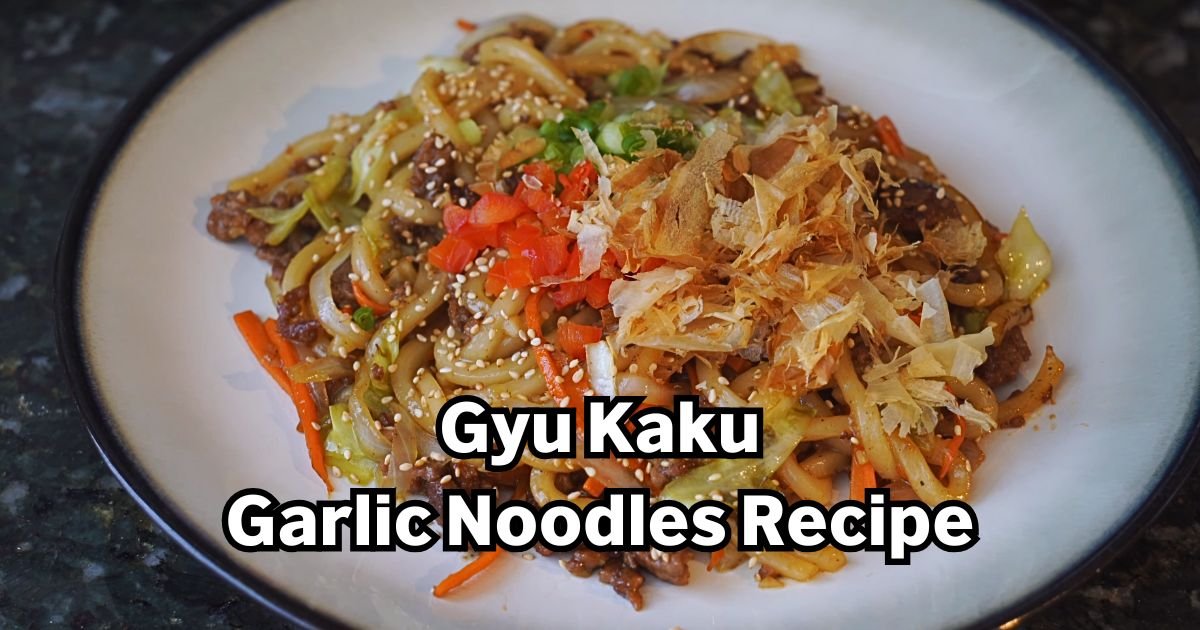
Gyu Kaku Garlic Noodles Recipe
One day, I walked into Gyu Kaku with some colleague from work. The smell of grilled meat filled the air. But then one of my colleague ordered the garlic noodles. When the plate came to our table, we all stopped talking.
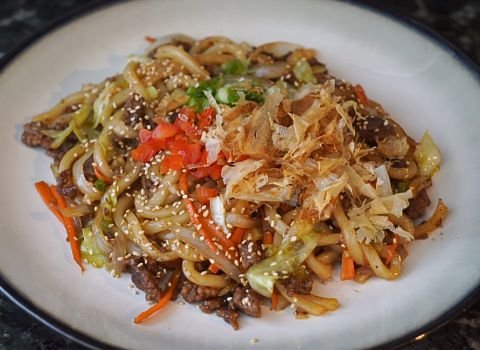
The noodles looked shiny and brown. They smelled like butter and garlic mixed together. I took one bite and could not believe how good it was. The noodles were soft and chewy.
Every piece was covered in a sticky, sweet, and savory sauce. Since that day, I wanted to make those same noodles at home.
This Gyu Kaku Garlic Noodles Recipe is my way of bringing that same rich, buttery, garlicky taste right to your kitchen.
You do not need special skills. You do not need hard-to-find items. I will show you how to make these amazing noodles with simple steps.
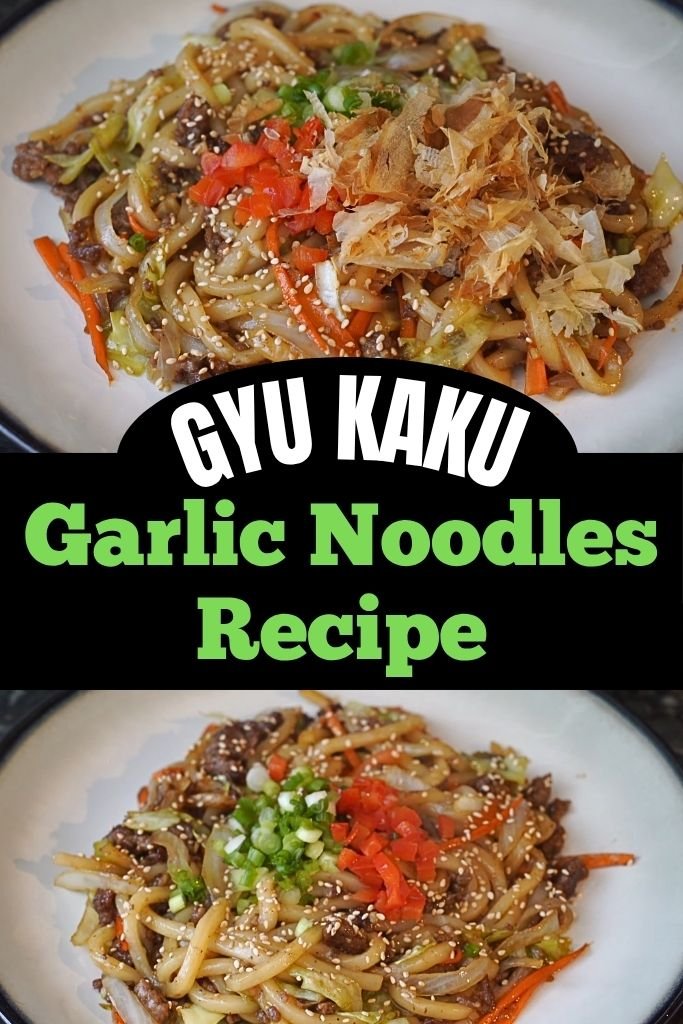
What Makes Gyu-Kaku’s Garlic Noodles Taste So Damn Good
It’s all about balance and technique. The Gyu-Kaku Garlic Noodles taste amazing because they combine bold garlic flavor, a sweet-salty sauce, and the right texture from the noodles.
The caramelization step – when the sauce sticks slightly to the noodles – adds a smoky depth that takes it from good to unforgettable.
The butter and soy sauce work together to create a silky, glossy coating that keeps every bite flavorful.
Gyu Kaku Garlic Noodles Ingredients
For the Noodles and Stir-fry
- 100-150 grams of Udon or Ramen Noodles: These thick, chewy noodles are the base of the dish. Frozen udon works great, or you can use fresh yellow noodles. Spaghetti can work in a pinch, though the texture will be different.
- 1/4 – 1/3 pound of Ground Chicken, Beef, or Pork: This adds protein and makes the meal hearty. Small pieces of shrimp are also a great choice. You can leave out the meat completely for a vegetarian version.
- 2-3 Cloves of Garlic, minced: This is the main flavor. Use more or less based on how much you love garlic. Pre-minced garlic from a jar works too, but fresh tastes better.
- 1/4 Onion, sliced: It adds a sweet and savory depth to the stir-fry. Yellow or white onions work best. You can use shallots instead for a milder taste.
- 1/4 – 1/3 Carrot, shredded or cut into thin strips: This gives a nice color and a little crunch. Pre-shredded carrots from a bag save time.
- 1-2 Shiitake or Regular Mushrooms, sliced: These add a deep, earthy flavor. Button mushrooms or baby bella mushrooms are good substitutes. You can leave them out completely.
- A small handful of Napa or Regular Cabbage, thickly sliced: It adds volume and a soft texture. Green cabbage works just as well. Bok choy is another good option.
- 1/2 tablespoon Ginger, minced (optional): This gives a little warm, spicy note. Ground ginger can work in a very small amount, about 1/4 teaspoon, but fresh is better.
- Japanese Fish Cake, sliced (optional): This is a common ingredient that adds a unique taste and texture. You can skip it without any problems.
For the Sauce
- 2 tablespoons Soy Sauce: This provides the salty, umami foundation of the sauce. Use regular soy sauce or tamari for a gluten-free version. Low-sodium soy sauce works too, but you may need to add a little salt.
- 1 tablespoon Sake: This cooking wine adds a mild, sweet complexity. Dry white wine or even water with a tiny bit of sugar can substitute.
- 1 tablespoon Mirin: This sweet rice wine is essential for the glossy, sweet glaze. You can use a mix of sugar and water in equal parts as a substitute, though the flavor won’t be quite the same.
- 1/2 tablespoon Rice Wine Vinegar: This gives a slight tang that balances the sweetness. Apple cider vinegar or white vinegar can work, but use a little less because they are stronger.
- 1/2 tablespoon Honey and 1/2 tablespoon Brown Sugar: Together, they create the perfect sweet stickiness. You can use just one tablespoon of sugar or one tablespoon of honey instead.
- 1/2 tablespoon Sesame Oil: This gives the sauce its classic nutty aroma. There is no good substitute for this, so try to get it. A little goes a long way.
- 1/2 teaspoon Dashi Powder (optional): This adds an extra layer of Japanese savory flavor. You can leave it out, or use a tiny bit of chicken or vegetable bouillon powder.
- A pinch of Salt and Black Pepper: To season everything perfectly. Use as much or as little as you like.
For the Garnish
- 1 Green Onion, sliced: For a fresh, colorful finish. Regular onions won’t work here. Chives can be used instead.
- 2 tablespoons Red Bell Pepper, finely diced: Adds a sweet crunch and pop of color. You can skip this or use any color of bell pepper.
- 1 teaspoon Sesame Seeds: For a nice toasty flavor and look. White or black sesame seeds both work.
- A small handful of Bonito Flakes (optional): These thin, dried fish flakes move and “dance” in the heat, adding visual interest and a smoky taste. They are completely optional.
Equipment Needed
- Large Pot – For boiling the noodles.
- Large Pan or Wok – Wide surface for stir-frying.
- Mixing Bowl – To combine sauce ingredients.
- Measuring Spoons – For accurate sauce flavors.
- Sharp Knife – To chop vegetables.
- Cutting Board – Safe chopping surface.
- Spatula or Tongs – For tossing everything together.
How to Make Gyu Kaku Garlic Noodles
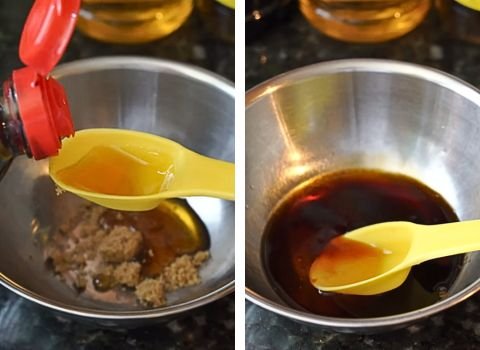
Step 1 | Prepare Ingredients and Mix the Sauce
Chop all vegetables and mince garlic and ginger. In a small bowl, mix soy sauce, sake, mirin, vinegar, honey, sugar, sesame oil, and dashi powder. Stir until everything dissolves well. This sauce is the flavor base that makes the dish shine.
Step 2 | Cook the Noodles
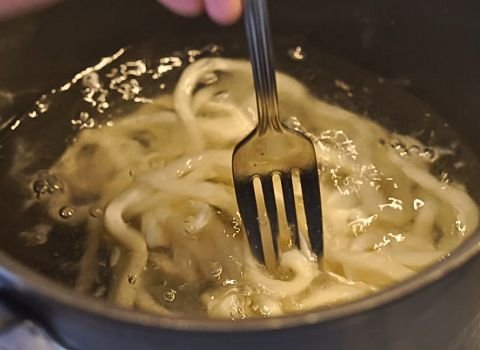
Bring water to a boil in a large pot. Add noodles and cook as directed on the package. For frozen udon, one to two minutes is usually enough.
Drain well once they turn translucent and chewy. Set aside to cool slightly.
Step 3 | Cook the Meat
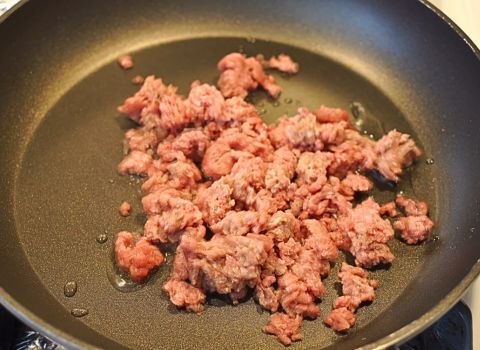
Place a wok or large pan over medium-high heat. Add a bit of cooking oil. When hot, add your choice of ground meat. Stir and break it up as it cooks.
Once browned and no longer pink, season lightly with salt and black pepper.
Step 4 | Sauté Vegetables with the Meat
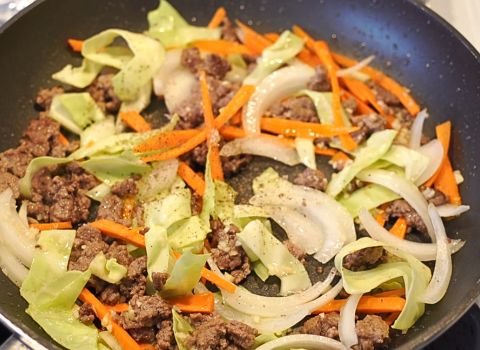
Add onions, carrots, mushrooms, and cabbage to the cooked meat. Stir-fry until veggies begin to soften. Then, add minced garlic and ginger.
Cook for one minute, stirring constantly so the garlic doesn’t burn. This step brings the aroma that defines the dish.
Step 5 | Combine and Simmer
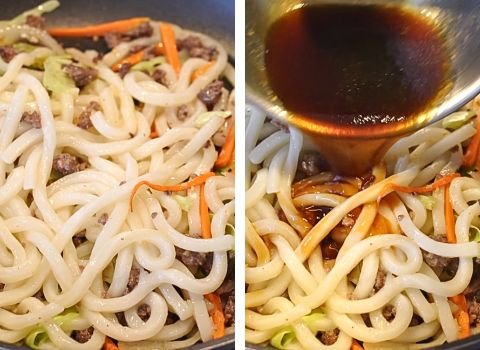
Add the noodles into the pan with the meat and vegetables. Pour the sauce over everything. Toss well with tongs or a spatula so every noodle gets coated.
Let it cook for a few minutes until the sauce starts bubbling and thickening slightly.
Step 6 | Caramelize the Noodles
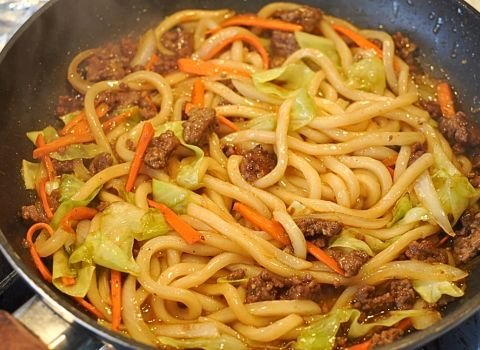
Let the noodles sit without stirring for 30–45 seconds, then toss and repeat. This step helps create caramelized bits and deeper flavor.
The sauce will cling tightly, giving those noodles their famous glossy, sticky look.
Step 7 | Garnish and Serve
Once done, transfer the noodles into a serving bowl. Top with green onions, red bell pepper, sesame seeds, and bonito flakes if using. Serve warm right away.
Pro Tips for Perfect Garlic Noodles Every Time
- Don’t Overcook Your Noodles: Cook the noodles just until they are done, not longer. They will cook a little more in the pan with the sauce. Overcooked noodles become mushy and fall apart.
- Use High Heat for Caramelization: The caramelization step only works well on medium-high heat. Lower heat won’t brown the noodles properly. Just watch carefully so nothing burns.
- Prep Everything Before You Start: Stir-frying happens fast. Have all your ingredients chopped, measured, and ready to go before you turn on the stove. This makes cooking smooth and easy.
- Adjust the Garlic to Your Taste: Some people love lots of garlic, others prefer less. Start with two cloves and add more next time. You can even add a little butter with the garlic for extra richness.
- Add a Splash of Water for Extra Sauce: Sometimes the sauce gets too thick or starts to stick too much. Add one or two tablespoons of water and stir. This loosens things up without losing flavor.
Common Mistakes to Avoid
- Using the Wrong Noodles: Thin pasta or soft noodles will turn mushy. Stick with thick udon or ramen noodles. They hold up to the stir-frying and sauce much better.
- Not Letting the Noodles Caramelize: Many people stir the noodles constantly. You need to let them sit and brown in the pan. This creates the sticky, crispy bits that make the dish special.
- Burning the Garlic: Garlic cooks very fast and goes from golden to burnt in seconds. Add it after the vegetables have softened, and keep stirring. Burnt garlic tastes bitter and ruins the whole dish.
- Making the Sauce Too Salty: Different brands of soy sauce have different salt levels. Start with the amount in the recipe, then taste and adjust. You can always add more salt, but you can’t take it out.
What to Serve with Gyu-Kaku Garlic Noodles
These garlic noodles are filling, but they taste even better when you eat them with other foods. Grilled chicken skewers, Korean short ribs, or even simple grilled salmon go great with these noodles.
A light cucumber salad with rice vinegar and sesame oil helps cut through the richness of the noodles.
Pickled vegetables like kimchi or quick-pickled radishes add a tangy crunch that balances the sweet and savory sauce.
You can also serve these noodles with steamed edamame or a simple miso soup.
At Gyu-Kaku, they serve these noodles as a side dish with grilled meats. They bring out the noodles in a hot cast iron pan so they stay warm and keep cooking a little at the table.
The noodles continue to caramelize and get even more flavorful as you eat them.
You can do this at home too. Just serve them in a preheated metal or cast iron dish. These noodles are also great on their own as a quick lunch or light dinner.
Storing and Reheating Tips
1. Storing Leftovers: Let the noodles cool fully before storing. Place them in an airtight container and refrigerate for up to 3 days.
Keeping them covered prevents the sauce from drying out and the noodles from hardening.
2. Reheating Tips: To bring back their texture, warm the noodles in a pan with a small splash of water or broth. Stir while heating to loosen the sauce.
3. Avoid microwaving too long; it can make the noodles sticky or dry. A quick stir-fry refreshes them perfectly.
Gyu Kaku Garlic Noodles Recipe FAQs
1. How do I make the noodles less oily?
Use only the recommended sesame oil amount. Adding too much oil can make the dish greasy. Toss well after cooking so any excess oil coats evenly instead of sitting at the bottom.
2. Can I make the sauce ahead of time?
Yes, the sauce can be mixed and stored in a jar in the fridge for up to 3 days. Stir before using to mix the ingredients again. It saves time when cooking.
3. Why do my noodles turn out watery instead of sticky?
This usually happens when the heat is too low or you add too much liquid. Make sure your pan is nice and hot before you add the noodles.
Let the sauce bubble and reduce without adding extra water. The caramelization step is key. Let the noodles sit in the pan without stirring so the sauce thickens and sticks to them. Stirring too much keeps the sauce from getting thick and glossy.
4. How spicy are Gyu Kaku Garlic Noodles?
This dish isn’t spicy by default. For heat, add a pinch of chili flakes or a few drops of chili oil at the end. It’s easy to control the spice level based on personal taste.
5. Can I add eggs to the noodles?
Yes, adding a scrambled or fried egg makes the dish richer and more filling. You can cook the egg in the pan before adding the noodles or mix it in at the end for a silky texture.
The egg pairs perfectly with the garlic soy sauce and gives the noodles extra protein.
6. What type of pan works best for this recipe?
A large nonstick pan or wok is best for even cooking. Woks have wide sides, allowing heat to spread quickly and giving space for tossing noodles easily.
A stainless steel pan also works but make sure to use enough oil to prevent sticking and burning the garlic.

Gyu Kaku Garlic Noodles Recipe
Make authentic Gyu Kaku Garlic Noodles at home in just 40 minutes! A buttery, garlicky, sweet-salty noodle dish packed with Japanese flavor.
Ingredients
For the Noodles & Stir-fry
- 100–150 g Udon or Ramen Noodles (frozen or fresh; spaghetti works in a pinch)
- ¼–⅓ lb Ground Chicken, Beef, or Pork (or shrimp/omit for vegetarian)
- 2–3 cloves Garlic, minced
- ¼ Onion, sliced
- ¼–⅓ Carrot, shredded or thinly sliced
- 1–2 Mushrooms (shiitake, button, or baby bella), sliced
- Small handful Napa or Green Cabbage, thickly sliced
- ½ tbsp Fresh Ginger, minced (optional)
- Japanese Fish Cake, sliced (optional)
For the Sauce
- 2 tbsp Soy Sauce
- 1 tbsp Sake (or dry white wine / water + pinch of sugar)
- 1 tbsp Mirin (or sugar-water mix)
- ½ tbsp Rice Wine Vinegar
- ½ tbsp Honey
- ½ tbsp Brown Sugar
- ½ tbsp Sesame Oil
- ½ tsp Dashi Powder (optional)
- Pinch of Salt and Black Pepper, to taste
For Garnish
- 1 Green Onion, sliced
- 2 tbsp Red Bell Pepper, finely diced
- 1 tsp Sesame Seeds (white or black)
- Small handful Bonito Flakes (optional)
Instructions
- Chop all vegetables and mince garlic and ginger. In a small bowl, mix soy sauce, sake, mirin, vinegar, honey, sugar, sesame oil, and dashi powder. Stir until everything dissolves well. This sauce is the flavor base that makes the dish shine.
- Bring water to a boil in a large pot. Add noodles and cook as directed on the package. For frozen udon, one to two minutes is usually enough. Drain well once they turn translucent and chewy. Set aside to cool slightly.
- Place a wok or large pan over medium-high heat. Add a bit of cooking oil. When hot, add your choice of ground meat. Stir and break it up as it cooks. Once browned and no longer pink, season lightly with salt and black pepper.
- Add onions, carrots, mushrooms, and cabbage to the cooked meat. Stir-fry until veggies begin to soften. Then, add minced garlic and ginger. Cook for one minute, stirring constantly so the garlic doesn’t burn. This step brings the aroma that defines the dish.
- Add the noodles into the pan with the meat and vegetables. Pour the sauce over everything. Toss well with tongs or a spatula so every noodle gets coated. Let it cook for a few minutes until the sauce starts bubbling and thickening slightly.
- Let the noodles sit without stirring for 30–45 seconds, then toss and repeat. This step helps create caramelized bits and deeper flavor. The sauce will cling tightly, giving those noodles their famous glossy, sticky look.
- Once done, transfer the noodles into a serving bowl. Top with green onions, red bell pepper, sesame seeds, and bonito flakes if using. Serve warm right away.
Nutrition Information:
Serving Size: 1Amount Per Serving: Calories: 520Total Fat: 18gSaturated Fat: 6gCholesterol: 60mgSodium: 1300mgCarbohydrates: 62gFiber: 4gSugar: 10gProtein: 22g
The Gyu Kaku Garlic Noodles Recipe brings together simple ingredients to create something deeply flavorful and comforting.
The glossy noodles, the balance of soy, garlic, and sweetness, and that caramelized finish make it special. This version lets anyone enjoy that same rich flavor right from their own kitchen.
Try this recipe at home, adjust it to your taste, and share your version—it’s all about making it your own.