
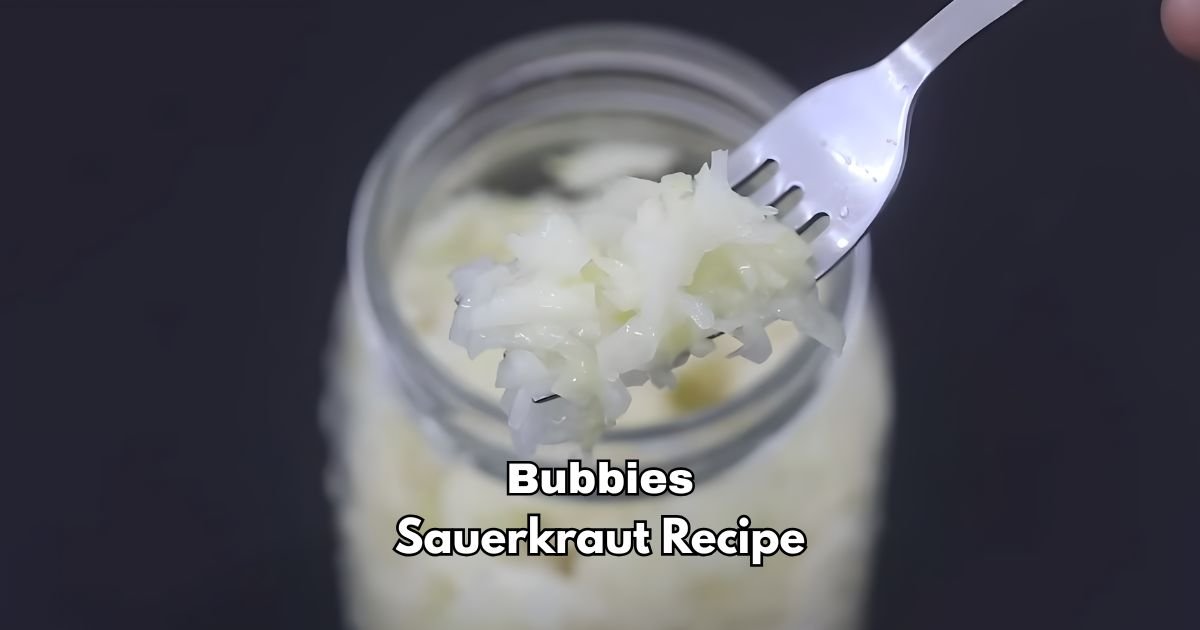
Bubbies Sauerkraut Recipe
Sauerkraut is one of the oldest and most loved fermented foods, and people enjoy it for its simple taste.
Bubbies sauerkraut is a well-known version that many people enjoy because it stays crisp, mild, and full of natural flavor. It is made through a slow, natural process that brings out the sour taste from cabbage.
Bubbies first introduced its sauerkraut in 1982, and it grew from the long history of kraut that became popular in Germany many years ago.
The word “sauerkraut” comes from the German words sauer (sour) and kraut (cabbage). Now, it is loved in the United States on sandwiches, salads, and even straight from the jar.
Today I am sharing this copycat Bubbies Sauerkraut Recipe so you can enjoy a fresh jar right at home.

Why Is Bubbies Sauerkraut So Good!
Bubbies sauerkraut uses a simple method that relies on time and natural bacteria. The cabbage sits in salt and creates its own brine.
No vinegar or shortcuts are used. This lets the good bacteria grow slowly and build deep flavor.
The texture stays crunchy, and the taste is clean and bright. Each bite has a natural tang that feels fresh.
Many store brands add vinegar to speed things up, but Bubbies takes the slow path. That patience creates a product that tastes better.
How Fermentation Works in Bubbies Sauerkraut
Fermentation happens when salt pulls water from cabbage and creates a salty liquid. Good bacteria called lactobacillus grow in this liquid.
They turn the natural sugars in cabbage into lactic acid. This acid gives sauerkraut its sour taste and keeps unwanted bacteria away. The process takes several days.
During that time, the cabbage softens and the flavors change. The longer the cabbage sits, the more sour it gets. You control the flavor by choosing when to stop the process and move the jar to the fridge.
Bubbies Sauerkraut Ingredients
- 1 medium green cabbage: Fresh green cabbage brings a mild taste and firm texture. It softens as it rests in salt and releases water to create natural brine. Choose cabbage that feels heavy for its size. Shredded green cabbage gives the best result. For a change in taste, napa cabbage can be used as a softer choice.
- 1 tablespoon salt: Salt pulls water out of cabbage and keeps the brine safe during fermentation. Pink salt, sea salt, or kosher salt can be used. Table salt may have additives that cloud the brine, so a clean salt is preferred. For a lighter taste, kosher salt gives a nice balance.
- 2–3 whole cabbage leaves: Whole leaves cover the shredded cabbage and help keep the small pieces under the brine. These leaves act like a simple weight. Large lettuce leaves or cleaned grape leaves can also be used when cabbage leaves are not available.
Essential Kitchen Equipment
- Large bowl – mixing cabbage
- Glass jar – storing the batch
- Sharp knife – thin cuts
- Cutting board – safe surface
- Wooden spoon or muddler – pressing cabbage
- Clean cloth – wiping jar rim
- Measuring spoon – correct salt amount
How To Make Bubbies Sauerkraut
Step 1 | Prepare the Cabbage
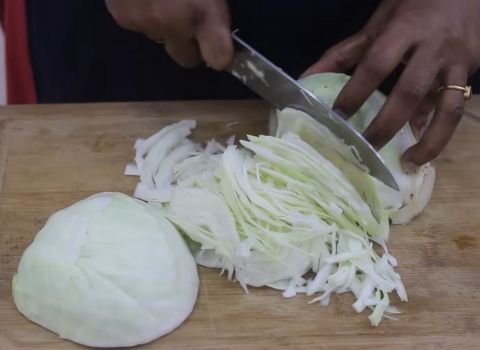
Start by choosing a fresh green cabbage. Rinse the outside with clean water and dry it well. Pull off a few whole leaves and set them aside for later. Cut the cabbage in half and slice it into thin, even strips so they soften at the same speed during fermentation.
Step 2 | Salt the Cabbage
Place all the shredded cabbage in a large bowl. Sprinkle the salt on top. Use your hands to mix, squeeze, and rub the salt into the cabbage. This helps it soften and release liquid. Keep working it for two to three minutes.
When it feels softer and wetter, squeeze a small handful. If water drips out, it’s ready to pack.
Step 3 | Fill the Jar
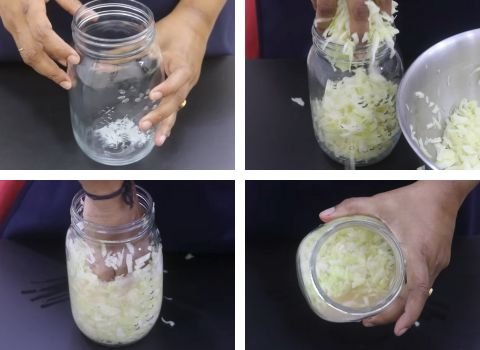
Spoon the softened cabbage into a clean, dry glass jar. Press it down firmly with your hand or a wooden tool until the liquid rises above the cabbage.
Pour in any extra brine from the bowl. Make sure the cabbage stays fully under the liquid.
Step 4 | Add the Whole Leaves
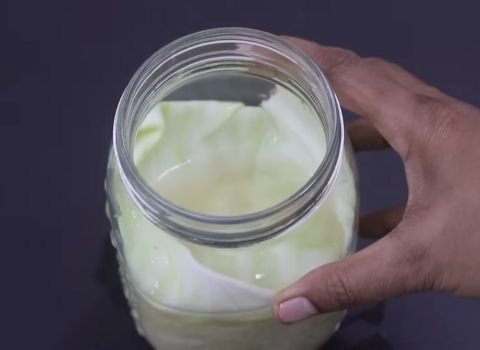
Take the whole leaves you saved. Fold or trim them so they fit the jar. Lay them on top of the shredded cabbage and press them down. This keeps all the small pieces under the brine so they ferment safely.
Step 5 | Loosely Cover the Jar
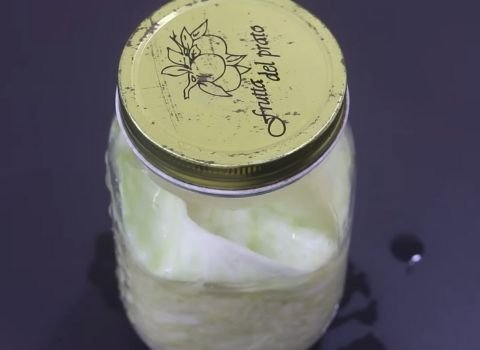
Place the lid on the jar but leave it loose. This allows gas to escape as the cabbage ferments. Set the jar somewhere with steady room temperature, away from sunlight and heat.
Step 6 | Let It Ferment
Fermentation time depends on the temperature. In warm rooms, it may take three to five days. Cooler rooms may need seven to ten days.
Check daily to make sure the cabbage stays under the brine. Press it down gently if needed.
Step 7 | Move to Cold Storage
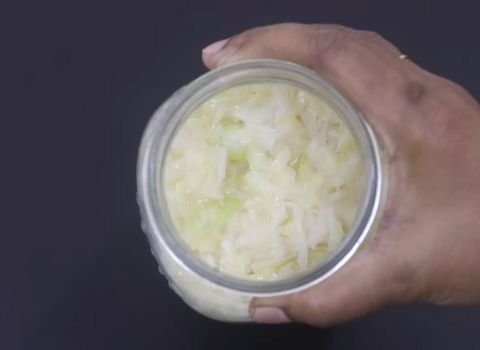
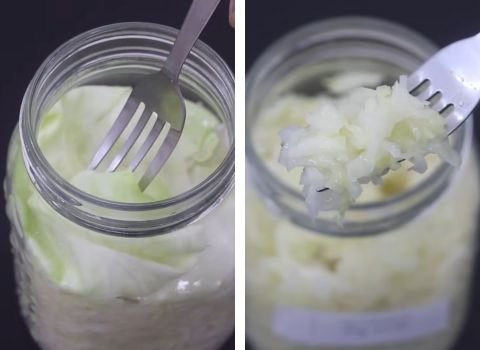
When the flavor tastes right to you, remove the whole leaves on top. Transfer the jar to the fridge.
The cold slows the fermentation and keeps your homemade Bubbies Sauerkraut Recipe fresh for many months.
Recipe Perfection Tips
- Use the Right Salt Amount: Too little salt can make the cabbage soft and slimy, while too much can slow fermentation or make the sauerkraut too salty. One tablespoon per medium cabbage is the sweet spot, so measure carefully for the best results.
- Check the Brine Level Daily: Cabbage often floats during the first few days. Open the jar once a day and press everything back under the liquid. This simple step helps prevent mold and keeps the ferment safe.
- Taste as You Go: Start tasting after three days. The flavor changes a little each day. If you like a mild sour taste, you can stop sooner. If you like a stronger, sharper flavor, let it go longer. End the fermentation when it tastes right to you.
- Keep Everything Clean: Wash your hands, jar, bowl, and all tools with hot, soapy water before you begin. Clean equipment helps keep unwanted bacteria out and protects your batch from spoiling.
How to Use Bubbies Sauerkraut
1. Top sandwiches and burgers: Add a spoonful of sauerkraut to sandwiches, burgers, or hot dogs. It brings a bright, tangy flavor and a light crunch that pairs well with meats and sauces.
2. Toss into salads: Mix a small amount into green salads, pasta salads, or grain bowls. It adds extra texture and a pop of sour flavor that makes each bite more interesting.
3. Serve with sausages: Sauerkraut and sausages are a classic match. Serve it warm or cold alongside grilled, smoked, or pan-fried sausages for a simple and tasty meal.
4. Blend into dips: Chop it finely and mix it with cream cheese, mayonnaise, or sour cream. This creates a quick dip that works great with crackers, chips, or raw veggies.
5. Add to scrambled eggs: Stir in a small spoonful during the last minute of cooking your scrambled eggs. It adds a fun twist and a little brightness to breakfast.
6. Use in wraps and tacos: Place a bit of sauerkraut inside wraps, tacos, or pita pockets. It adds crunch and helps balance rich or savory fillings.
Bubbies Sauerkraut Recipe FAQs
1. How much probiotics in Bubbies Sauerkraut?
Bubbies Sauerkraut contains live cultures from natural fermentation, but the exact amount can vary. Because it is not heat-treated, the bacteria stay active.
Each jar can hold a wide range of natural bacteria that grow during the brining process.
2. Why did my brine turn cloudy?
Cloudy brine is usually normal and not a sign of anything harmful. It comes from natural activity during fermentation.
Using salt that has no additives helps keep the brine clearer. As long as the smell is fresh and the cabbage stays under the brine, the sauerkraut should be safe and tasty.
3. Can homemade sauerkraut get too sour?
Sauerkraut can turn very sour when it sits at room temperature for many days. Moving it to cold storage when the taste reaches the right level helps slow the souring.
Some people like a sharp flavor, while others like a mild one. Tasting during the process helps find the right point.
4. My cabbage did not make enough brine. What should I do?
Sometimes cabbage is dry. If, after salting and squeezing, there is not enough liquid to cover the cabbage, you can make a little extra brine.
Mix one cup of water with half a teaspoon of salt. Stir until the salt dissolves. Pour just enough into the jar to cover the cabbage.
5. Do I need special jars for fermenting?
No, you do not. A simple glass jar works perfectly. You do not need an airlock lid. Just remember to keep the lid loose during fermentation so gases can escape. This is a simple way to make this Bubbies Sauerkraut Recipe.
6. Is it safe to eat the top layer if it looks discolored?
If anything looks fuzzy or colorful (pink, blue, black), toss that part and check the smell. A little white bloom (kahm yeast) is harmless – just skim it off. Bad mold usually smells unpleasant.

Bubbies Sauerkraut Recipe
My copycat Bubbies Sauerkraut Recipe uses 3 ingredients: 1 medium cabbage, 1 tbsp salt, 2–3 leaves, and 20 minutes prep for fresh, tangy kraut.
Ingredients
- 1 medium green cabbage (about 2–2.5 pounds), shredded
- 1 tablespoon salt (sea salt, kosher salt, or pink salt)
- 2–3 whole cabbage leaves (for covering the top)
Instructions
- Start by choosing a fresh green cabbage. Rinse the outside with clean water and dry it well. Pull off a few whole leaves and set them aside for later. Cut the cabbage in half and slice it into thin, even strips so they soften at the same speed during fermentation.
- Place all the shredded cabbage in a large bowl. Sprinkle the salt on top. Use your hands to mix, squeeze, and rub the salt into the cabbage. This helps it soften and release liquid. Keep working it for two to three minutes. When it feels softer and wetter, squeeze a small handful. If water drips out, it’s ready to pack.
- Spoon the softened cabbage into a clean, dry glass jar. Press it down firmly with your hand or a wooden tool until the liquid rises above the cabbage. Pour in any extra brine from the bowl. Make sure the cabbage stays fully under the liquid.
- Take the whole leaves you saved. Fold or trim them so they fit the jar. Lay them on top of the shredded cabbage and press them down. This keeps all the small pieces under the brine so they ferment safely.
- Place the lid on the jar but leave it loose. This allows gas to escape as the cabbage ferments. Set the jar somewhere with steady room temperature, away from sunlight and heat.
- Fermentation time depends on the temperature. In warm rooms, it may take three to five days. Cooler rooms may need seven to ten days. Check daily to make sure the cabbage stays under the brine. Press it down gently if needed.
- When the flavor tastes right to you, remove the whole leaves on top. Transfer the jar to the fridge. The cold slows the fermentation and keeps your homemade Bubbies Sauerkraut Recipe fresh for many months.
Nutrition Information:
Serving Size: 1Amount Per Serving: Calories: 5Sodium: 150mgCarbohydrates: 1gFiber: 1g
This copycat Bubbies Sauerkraut recipe offers a fresh way to savor traditional fermented cabbage with the classic taste you know.
Try this simple recipe at home and enjoy making your own sauerkraut experience. Share your finished batch and see how delicious homemade Bubbies Sauerkraut can be.