Brenda Gantt Pancakes Recipe
Brenda Gantt is known for warm, comforting Southern cooking that feels simple and real. I see her pancakes as a perfect example of that style.
The Brenda Gantt Pancakes Recipe became popular because it looks easy, honest, and full of care.
Many people found her videos online and felt calm watching her cook with basic tools and clear steps. That quiet, steady way of cooking helped her pancakes go viral fast.
I like how her pancakes remind people of home-style food made with love and patience. They use everyday items, yet the result feels special.
Many home cooks enjoy recreating this recipe because it does not feel rushed or complicated.
In this recipe, I will show you how to make famous Brenda Gantt Pancakes Recipe at home. You will learn the simple steps and the best tips. Soon, you will cook pancakes that taste just like Brenda’s.
What Makes Brenda Gantt’s Pancakes Different from Regular Pancakes
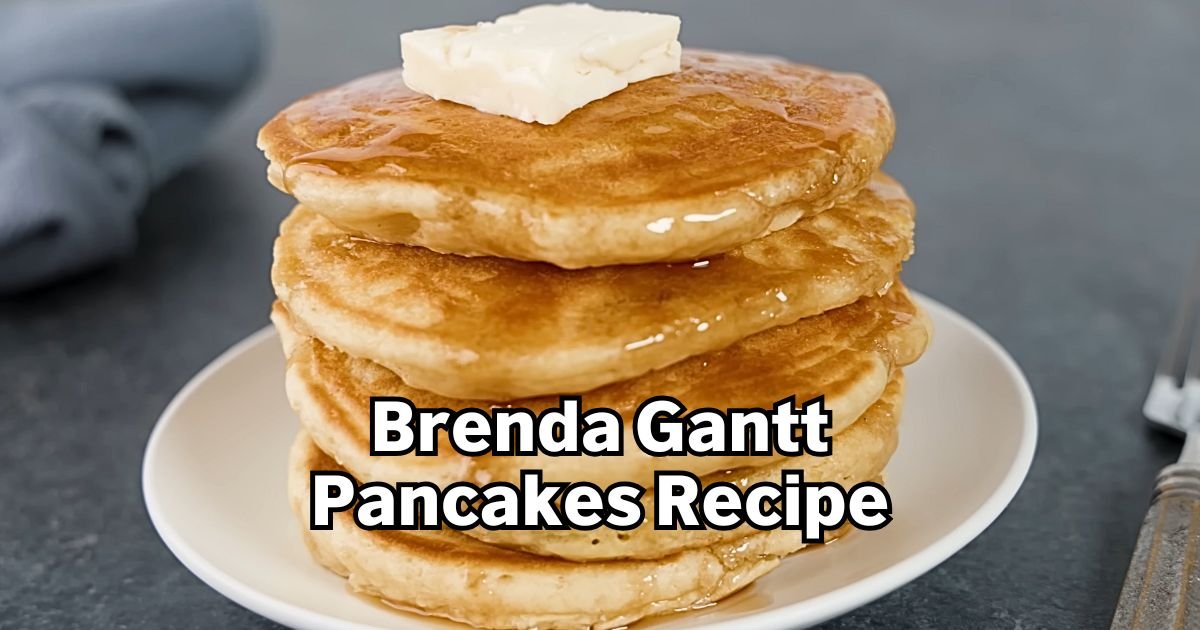
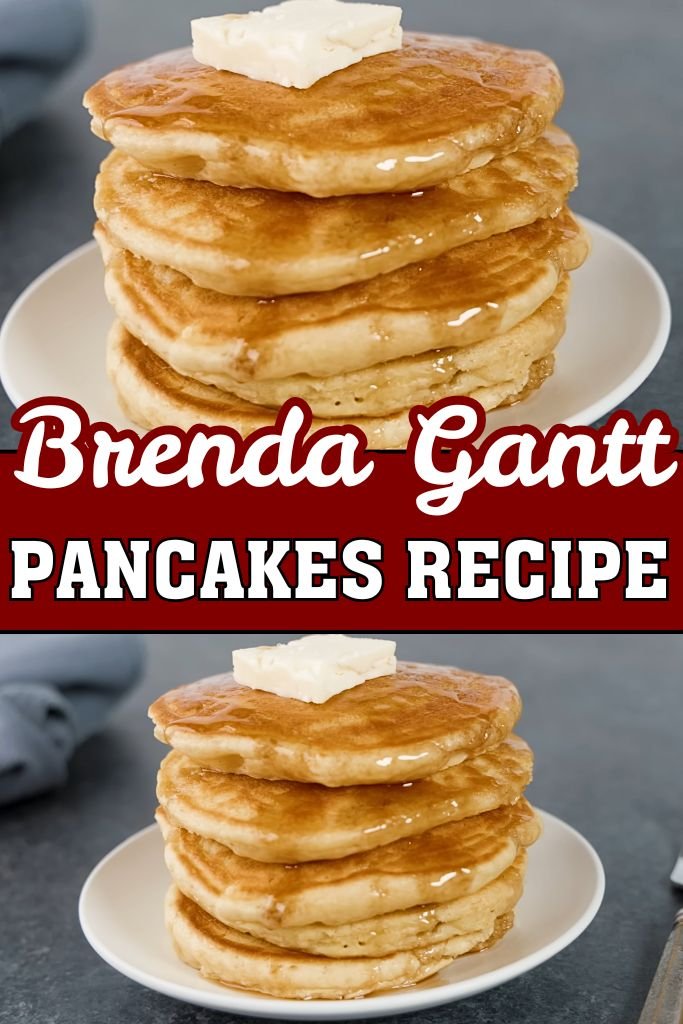
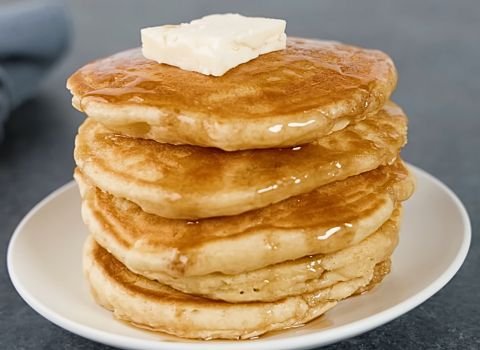
1. Texture and Structure: These pancakes are soft and fluffy inside. The edges get a little crisp when you cook them right. Most diner pancakes feel heavy or too thick. Brenda’s version stays light and tender. The crumb feels delicate when you break one open.
2. Flavor Profile: The taste is rich and buttery. There is a light sweetness that does not overpower your mouth. The buttermilk adds a gentle tang that balances everything. Regular pancakes often taste flat or too plain.
3. Simple Method: Brenda keeps the process easy and stress-free. She mixes flour, buttermilk, and egg in one bowl. The batter comes together fast. You control the thickness yourself, which makes the pancakes fresh and simple to cook.
4. Balanced Sweetness: These pancakes are not too sweet on their own. The mild sweetness lets you add butter and syrup without feeling overwhelmed. The flavor feels natural, warm, and comforting.
Brenda Gantt Pancakes Ingredients
- Self-Rising Flour (1/2 to 3/4 cup): This flour already has baking powder and salt mixed in. It gives pancakes their fluffy rise. You can use regular all-purpose flour instead, but you must add 1 teaspoon of baking powder and a pinch of salt per cup of flour.
- Buttermilk (about 1/2 cup or as needed): Buttermilk adds a tangy taste and makes pancakes tender. It reacts with the flour to create a light texture. Substitute with regular milk mixed with 1 tablespoon of lemon juice or vinegar. Let it sit for 5 minutes before using.
- Egg (1 large): The egg binds everything together and adds richness. It helps create structure so pancakes hold their shape. Use a flax egg for a non-egg option: mix 1 tablespoon ground flaxseed with 3 tablespoons water and wait 5 minutes.
- Cooking Oil or Butter (for the pan): Oil or butter keeps pancakes from sticking to the pan. Butter gives a richer flavor, but oil works just as well. You can also use coconut oil or bacon grease for a different taste.
- Real Butter (for serving): Brenda uses real butter on hot pancakes so it melts right in. Margarine can work, but real butter tastes better. Keep butter at room temperature so it spreads easily.
- Jelly or Jam (any flavor): Use your favorite jelly to make homemade syrup. Peach, strawberry, and grape all work great. You can also use store-bought maple syrup instead.
Essential Kitchen Equipment You’ll Need
- Mixing Bowl – For combining ingredients
- Whisk or Fork – To mix batter smooth
- Measuring Cups – For flour and liquid
- Large Skillet or Griddle – Flat cooking surface
- Spatula – Wide and sturdy for flipping
- Small Saucepan – To melt jelly into syrup
- Plate – For serving pancakes
- Stove or Cooktop – Heat source for cooking
How to Make Brenda Gantt Pancakes at Home
Step 1 | Combine the Main Ingredients
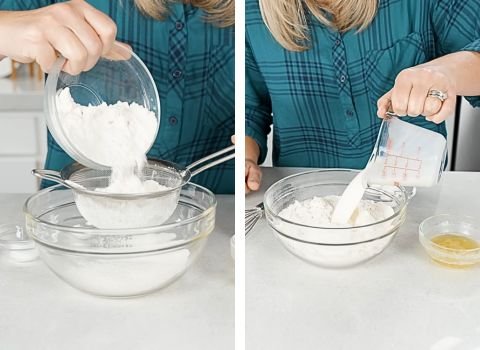
Take your mixing bowl and add ½ cup of self-rising flour. If you want a little thicker batter, you can add up to ¾ cup, but ½ cup is the main amount to use.
Next, pour in some buttermilk. Start with a little less than a cup. Stir everything together with your whisk. The mixture will be very thick and lumpy at this point.
Step 2 | Check the Batter Consistency
Look at your batter and see how it moves. It should be thick but still able to pour slowly. If the batter looks too thick and clumpy, it needs more buttermilk. Add it in small amounts.
Stir well after each addition so the batter stays smooth. If the batter becomes too thin, you can fix it by adding a little more flour.
Step 3 | Add the Egg
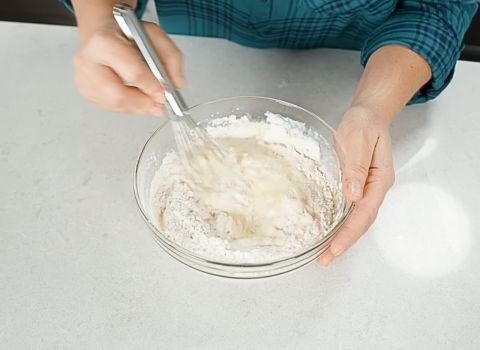
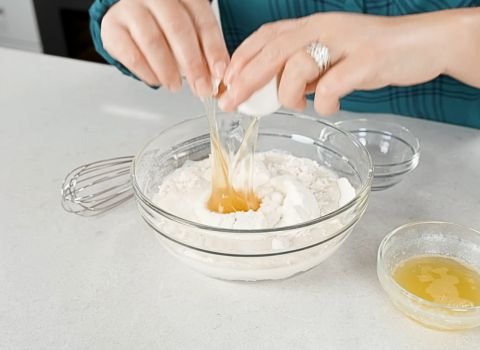
When the batter reaches the right thickness, crack one large egg into the bowl. Mix it in until it blends well with the flour and buttermilk.
The batter will become slightly thinner and smoother. Stir well so no big lumps stay in the bowl.
Step 4 | Heat the Skillet
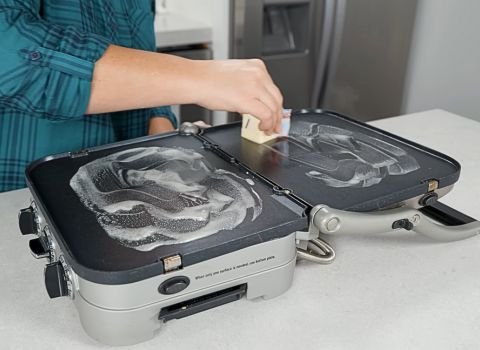
Place your skillet on the stove and turn the heat to a medium level. Give it time to warm up. Sprinkle a few drops of water on the skillet.
When the water sizzles, the skillet is ready. Add a small pat of butter and let it melt so it covers the bottom of the skillet.
Step 5 | Cook the Pancakes
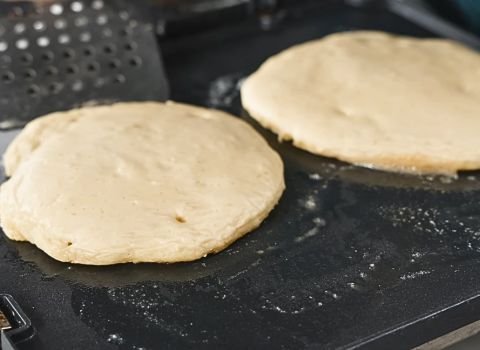
Pour some batter into the center of the hot skillet. Keep the size even so it cooks well. As it cooks, small bubbles will appear on the top.
When the top looks mostly set and the bubbles start to pop, the pancake is ready to turn.
Step 6 | Flip the Pancakes
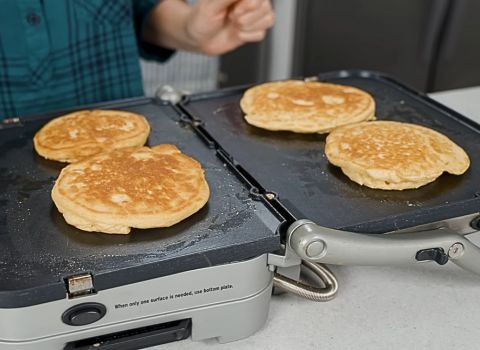
Slide your spatula all the way under the pancake. Flip it quickly and in one smooth motion. The second side needs less time to cook.
It should turn a nice golden brown. When both sides are golden, the pancake is ready to remove from the skillet.
Step 7 | Make the Warm Syrup
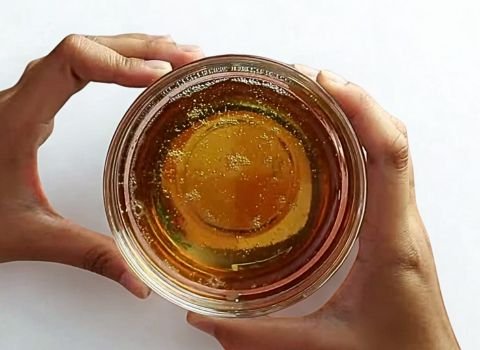
While the pancakes cook, take a small saucepan. Add a few spoonfuls of jelly or jam. Use low heat to warm it. Stir as it melts so it becomes smooth.
In a short time, it will turn into a warm syrup that pours easily.
Step 8 | Serve Immediately
Place the hot pancakes on a plate. Spread soft butter on top so it melts right away. Drizzle the warm jelly syrup over the pancakes.
Serve them immediately while they are still warm and fluffy.
Tips for Perfect Pancakes Every Time
- Let the Batter Rest: Allow the batter to sit for two or three minutes after mixing. This helps the flour soak up the liquid fully. Your pancakes will turn out softer and less dense.
- Don’t Overmix: Stir the batter only until everything comes together. Small lumps are okay. Mixing too much makes pancakes tough because it works the gluten too hard.
- Test Your Heat: Cook one small test pancake first. This lets you check the pan temperature before making the full batch. The heat should be medium, not too hot or too cool.
- Use Fresh Ingredients: Always check the date on your self-rising flour. Old flour does not rise well. Fresh buttermilk tastes better and helps make lighter pancakes.
Serving Suggestions for Brenda Gantt Pancakes
These pancakes taste amazing with the warm jelly syrup Brenda uses. You can also serve them with fresh fruit on the side. Sliced bananas, blueberries, or strawberries add color and freshness.
A dollop of whipped cream on top makes them feel special. Some people like to add a sprinkle of powdered sugar for a pretty look. Crispy bacon or sausage links pair well with these pancakes.
A glass of cold orange juice or hot coffee completes the meal. You can also spread peanut butter or Nutella between layers for extra flavor. These pancakes work great for breakfast, brunch, or even a quick dinner.
Storage and Reheating Tips for Leftover Pancake
Leftover pancakes store well in the fridge for up to 3 days. Place them in an airtight container with parchment paper between layers.
For longer storage, freezing works well. Lay pancakes flat, freeze until firm, then store in freezer bags.
Reheat in a skillet over low heat or in a toaster until warmed through. This recipe handles freezing without losing softness.
Brenda Gantt Pancakes Recipe FAQs
1. What type of pan works best for cooking these pancakes?
A flat skillet or griddle works best since it spreads heat evenly. Nonstick surfaces help prevent sticking and allow easy flipping.
Cast iron also works well once properly heated and greased, creating crisp edges and even browning.
2. Why do my pancakes stick to the pan?
The pan might not be hot enough, or you need more butter or oil. Always preheat the skillet before adding batter. Test the heat with a drop of water. It should sizzle right away.
Add a small amount of butter and let it melt completely. Spread it around the pan so the whole surface is coated. Non-stick skillets work best for beginners.
3. What kind of jelly works best for the syrup?
Any fruit jelly or jam works well. Strawberry, peach, and grape are popular choices. Brenda often uses whatever she has on hand. Seedless jelly melts smoother than jam with seeds.
4. How do I know when to flip the pancake?
Watch for bubbles on the top surface that start to pop and set. Edges look dry too. This means the bottom is golden and ready.
Flip too soon and it may tear; wait too long and it overcooks. Practice helps get perfect timing every batch.
5. Can I make these vegan?
Swap buttermilk with plant milk plus vinegar. Use flax egg instead of regular. Coconut oil for the pan works fine. Butter becomes vegan spread.
Jelly syrup stays the same. Texture stays soft and fluffy. Taste close to original. Try oat milk for creaminess.

Brenda Gantt Pancakes Recipe
Make soft, fluffy Brenda Gantt Pancakes Recipe in just 23 minutes! Easy Southern-style recipe with simple ingredients, perfect for breakfast or brunch.
Ingredients
- Self-Rising Flour: ½–¾ cup
- Buttermilk: ½ cup (or as needed)
- Large Egg: 1
- Cooking Oil or Butter: for skillet
- Real Butter: for serving
- Jelly or Jam: any flavor, for syrup
Instructions
- Take your mixing bowl and add ½ cup of self-rising flour. If you want a little thicker batter, you can add up to ¾ cup, but ½ cup is the main amount to use. Next, pour in some buttermilk. Start with a little less than a cup. Stir everything together with your whisk. The mixture will be very thick and lumpy at this point.
- Look at your batter and see how it moves. It should be thick but still able to pour slowly. If the batter looks too thick and clumpy, it needs more buttermilk. Add it in small amounts. Stir well after each addition so the batter stays smooth. If the batter becomes too thin, you can fix it by adding a little more flour.
- When the batter reaches the right thickness, crack one large egg into the bowl. Mix it in until it blends well with the flour and buttermilk. The batter will become slightly thinner and smoother. Stir well so no big lumps stay in the bowl.
- Place your skillet on the stove and turn the heat to a medium level. Give it time to warm up. Sprinkle a few drops of water on the skillet. When the water sizzles, the skillet is ready. Add a small pat of butter and let it melt so it covers the bottom of the skillet.
- Pour some batter into the center of the hot skillet. Keep the size even so it cooks well. As it cooks, small bubbles will appear on the top. When the top looks mostly set and the bubbles start to pop, the pancake is ready to turn.
- Slide your spatula all the way under the pancake. Flip it quickly and in one smooth motion. The second side needs less time to cook. It should turn a nice golden brown. When both sides are golden, the pancake is ready to remove from the skillet.
- While the pancakes cook, take a small saucepan. Add a few spoonfuls of jelly or jam. Use low heat to warm it. Stir as it melts so it becomes smooth. In a short time, it will turn into a warm syrup that pours easily.
- Place the hot pancakes on a plate. Spread soft butter on top so it melts right away. Drizzle the warm jelly syrup over the pancakes. sServe them immediately while they are still warm and fluffy.
Nutrition Information:
Serving Size: 1Amount Per Serving: Calories: 150Total Fat: 6gSaturated Fat: 3.5gCholesterol: 40mgSodium: 230mgCarbohydrates: 20gFiber: 1gSugar: 4gProtein: 4g
The Brenda Gantt Pancakes Recipe stands out for its simple steps, steady results, and comforting Southern style. You achieve soft, high-quality pancakes with ease.
Recreating this classic at home brings pride and satisfaction. Share the recipe and leave a comment about how your pancakes turned out.