

Induction vs Gas vs Electric
Induction is a strong option if you want quick heat adjustment and a smooth surface, provided your cookware and electrical installation are suitable. Traditional coil or radiant electric can be a practical choice when you prefer familiar equipment without a gas flame. Gas offers visible flame control, but requires suitable gas service, electrical power and ventilation.
The best comparison includes the installed cost and your daily cooking habits. Do not choose solely from the appliance sticker price—or assume induction and traditional electric are the same technology.
How each cooking surface heats the pan
Induction: an electromagnetic field heats compatible cookware. It requires suitable magnetic cookware and can respond quickly to a change in setting.
Traditional electric: a resistance element heats the cookware, either as an exposed coil or through a glass surface. The element and surface retain heat after the setting changes.
Gas: a flame heats the pan. You can see the flame change, but the grate and cookware still retain heat after the burner is turned off.
The US Department of Energy’s induction overview explains the technology difference. Its discussion supports comparing heat response and compatible cookware; it does not establish that a particular model will cook every dish better.
Compare the things you do every day
Simmering and changing heat
If you frequently move from a boil to a low simmer, try the actual controls before buying. Induction offers responsive control, but settings, pan recognition and low-power behavior vary by model. Gas gives a visible flame reference. Radiant electric generally calls for more anticipation because the hot element does not cool immediately.
Look at the smallest and largest pans you use, not just the biggest burner advertised. A cooking zone that works well with your stockpot may not recognize or suit a small saucepan. Check the manual’s pan-size guidance.
Cleaning
A smooth surface avoids cleaning around exposed coils or separate gas grates, but it still needs the correct care. Spills, scratches and hot cookware are not eliminated by choosing induction. Follow the surface’s cleaning instructions and avoid dragging heavy pans across glass.
Controls and reach
Try reading the controls at your normal standing position. Consider whether you must reach over hot cookware, whether a touch panel is comfortable to use, and how easily household members can understand its lock and warning features. Those details can matter more than another cooking preset.
Will your existing cookware work?
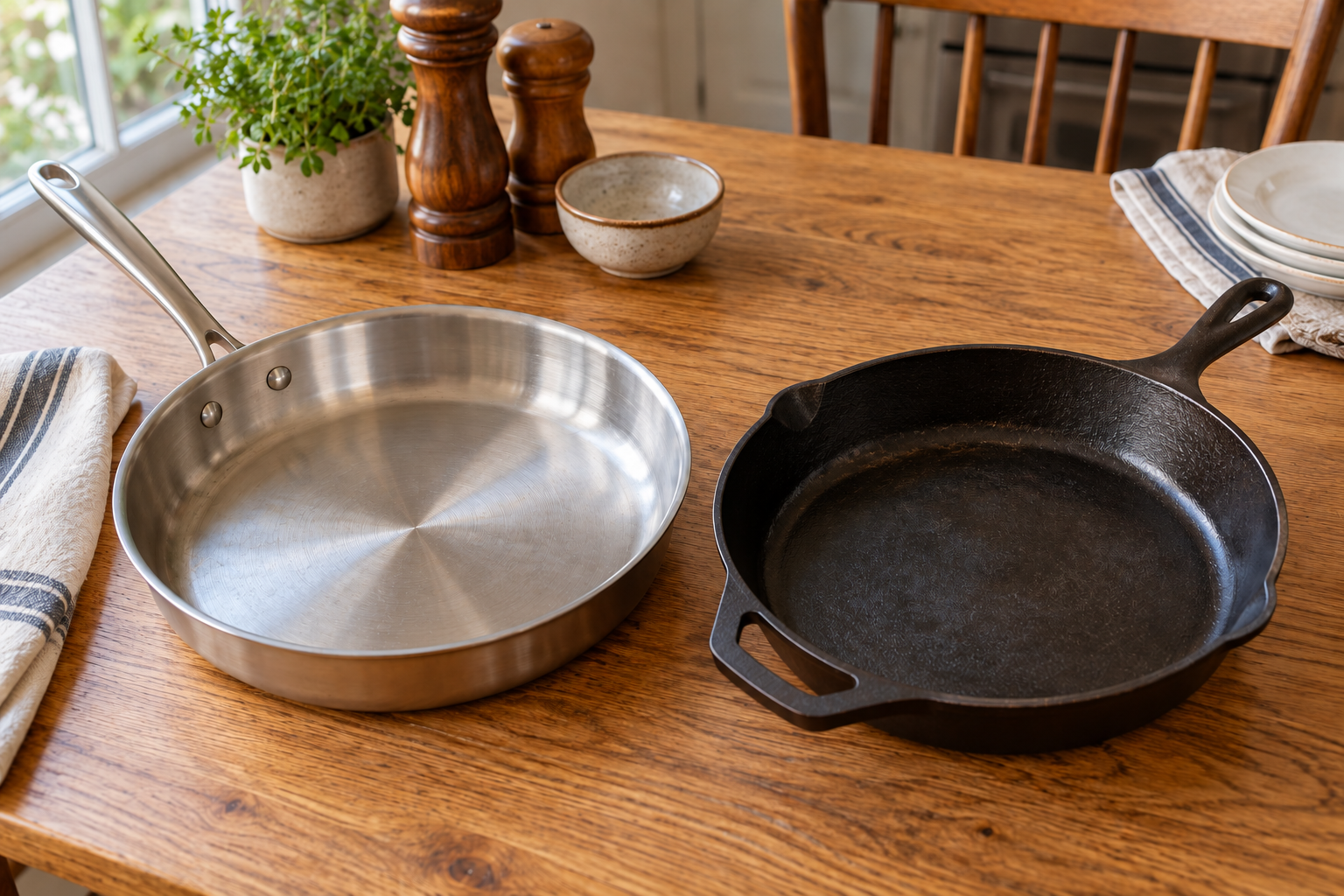
For induction, use a magnet on the base as an initial screening check, then confirm the cookware maker’s compatibility and the appliance’s pan-size and shape requirements. A magnetic response is not a guarantee that a warped or undersized pan will work well on every zone.
ENERGY STAR’s electric-cooking guidance identifies cast iron and compatible stainless or enameled cookware as possibilities. You may already own suitable pans. Do not replace a full set until you have checked it.
Traditional electric and gas do not impose induction’s magnetic-base requirement, but cookware still needs to suit the surface and its instructions. Flatness matters on a smooth electric top; handles, balance and pan size matter with every technology.
Electrical guidance from Lavender Electric LLC
Lavender Electric LLC contributes electrical expertise to My Recipes Haven’s kitchen-planning program. The Washington contractor serves Seattle, the Eastside and Snoqualmie Valley and works on residential kitchen circuits and receptacles. The installation questions here are separate from manufacturer performance claims and specifications.
Does induction need different wiring from traditional electric?
It may be possible to reuse a suitable electric-range circuit, but that is a model-by-model assessment. Do not assume an induction replacement requires a new panel, or that every existing electric-range connection is sufficient. Compare the exact manual with the circuit, conductors, grounding, protection and available capacity.
For a gas conversion, see switching from gas to induction or switching to traditional electric. If you already have an electric range, start with the existing outlet checklist.
Does gas eliminate the electrical work?
Not necessarily. Many gas ranges need a grounded 120-volt supply for electrical functions, while dual-fuel ranges can need a higher-power connection for the oven. Our electric-to-gas guide explains why the gas connection is only part of the installation.
Ventilation matters with all three
Electric cooking avoids burning gas at the appliance, but frying, searing and other cooking still release airborne contaminants. The Washington State Department of Health recommends proper exhaust ventilation while cooking. Do not remove the hood merely because you choose induction.
No cooking surface is automatically safe to touch after use. Induction glass can become hot from the pan. Follow residual-heat warnings, keep combustibles clear and use the appliance’s safety features as instructed.
Compare the whole project cost
Request quotes for the appliance, electrical or gas work, installation, ventilation changes, permits, cabinetry and any cookware you actually need. Keep optional cosmetic upgrades separate so they do not distort the technology comparison.
Efficiency and utility bills are different questions. ENERGY STAR describes induction’s efficient heat transfer, but your bill depends on local energy prices, cooking patterns and the models being compared. This guide does not promise a payback period or a specific annual saving.
If you want to try induction before replacing the range, a suitable portable unit can be an experiment. Check its instructions, usable counter space and circuit load first. It does not prove that a full-size range will work on the same outlet. A busy coffee station can already place significant demands on the nearby circuit.
A practical way to choose
- Choose induction when responsive cooking and a smooth surface appeal to you, and cookware and installation checks work out.
- Choose traditional electric when its cooking behavior, controls and complete installed price fit your needs.
- Choose gas when you specifically value flame cooking and have confirmed the service, ventilation and installation requirements.
Then compare actual models within your preferred category. The oven, controls, service options and physical fit still matter even after the cooking technology is chosen.
Electrical codes, manufacturer requirements and local rules can change or vary by jurisdiction. Verify current requirements and manufacturer instructions and consult a qualified electrician where appropriate.
Some images on this page were created with AI for illustrative purposes.





One Comment